I recently started learning Spanish. Just love the sound of this language. It’s like music to my ears. But the thing is, my mother tongue, Hungarian, and Spanish don’t have much in common. Yet, I’m quite good at it and my teacher said I’m learning faster than most students.
Maybe I do have a bit of talent for languages, but having access to all the online learning resources also helps a lot. Videos, online language courses, applications, and movies, all allow me to improve my pronunciation without direct interaction with a Spanish-speaking person.
Still, the main reason why this process is much easier for me is that I do speak Romanian. This language has a lot in common with Spanish for both are derived from later Latin. However, learning Romanian in the 1920s wasn’t easy at all, on the contrary. Let me share with you the story about how I learned to speak Romanian back then. In order to do that, we must travel back in time more than 100 years.
It was in 1920 that we started learning Romanian in school. I was in 3rd grade and I knew how to read and write in Hungarian. But nobody in the family, in the school, or even in the village spoke Romanian, except the Romanian teacher. We all spoke only Hungarian. Though school was mandatory until age 16, my older brothers spent more days working than in school, thus they had a hard time keeping up with their studies. They couldn’t help me much.
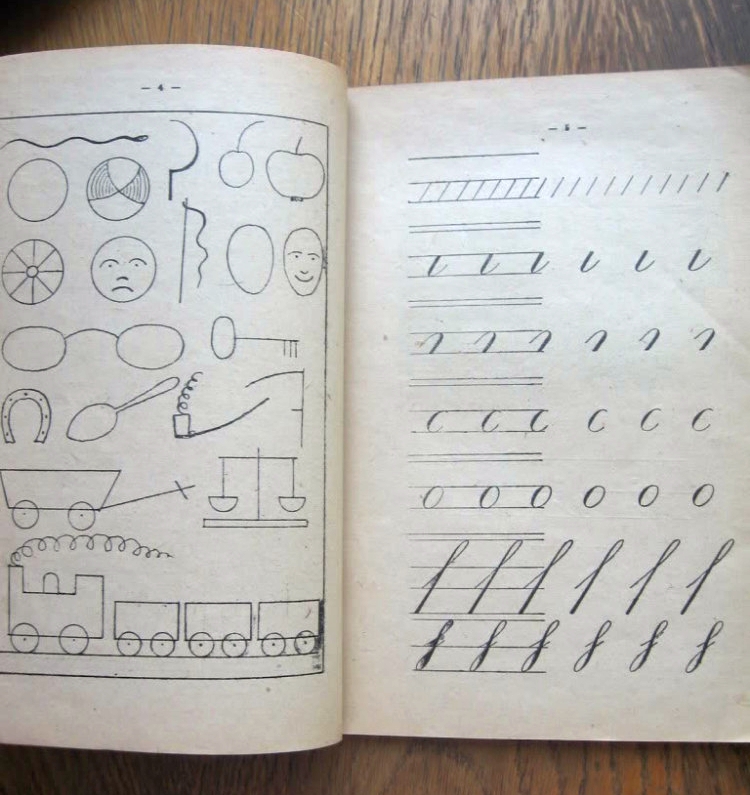
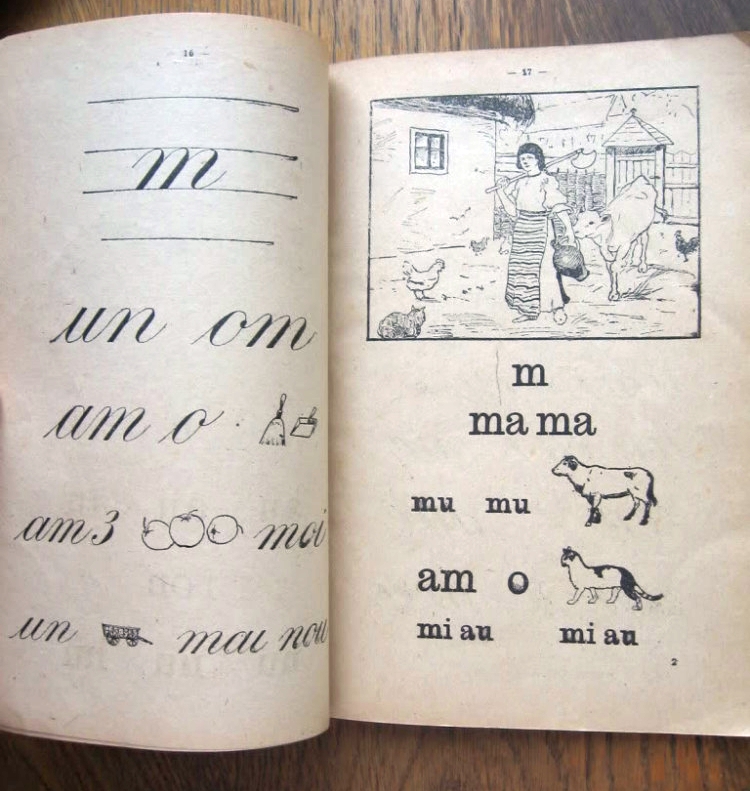
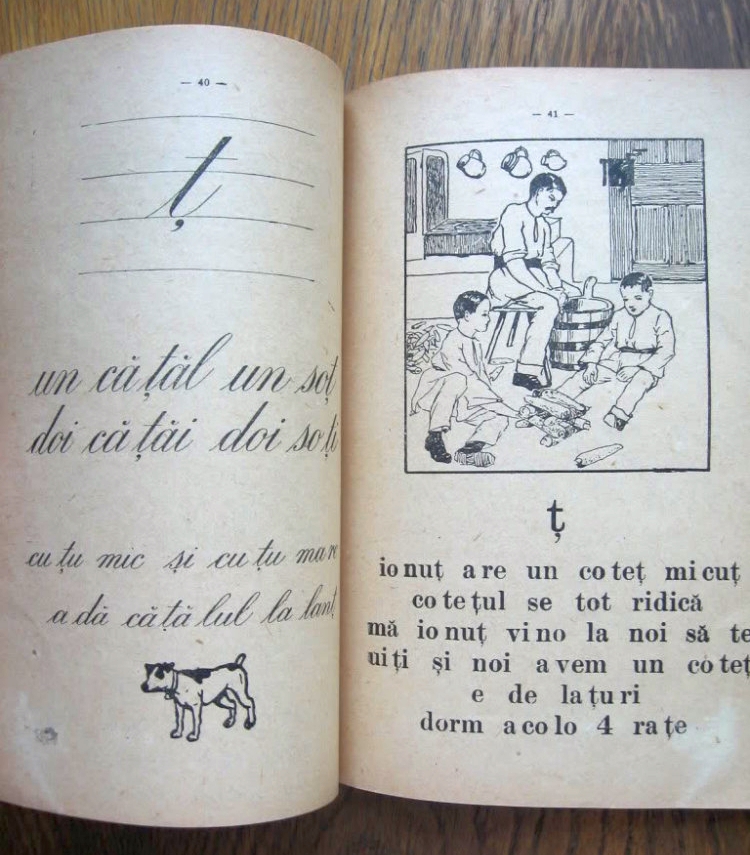
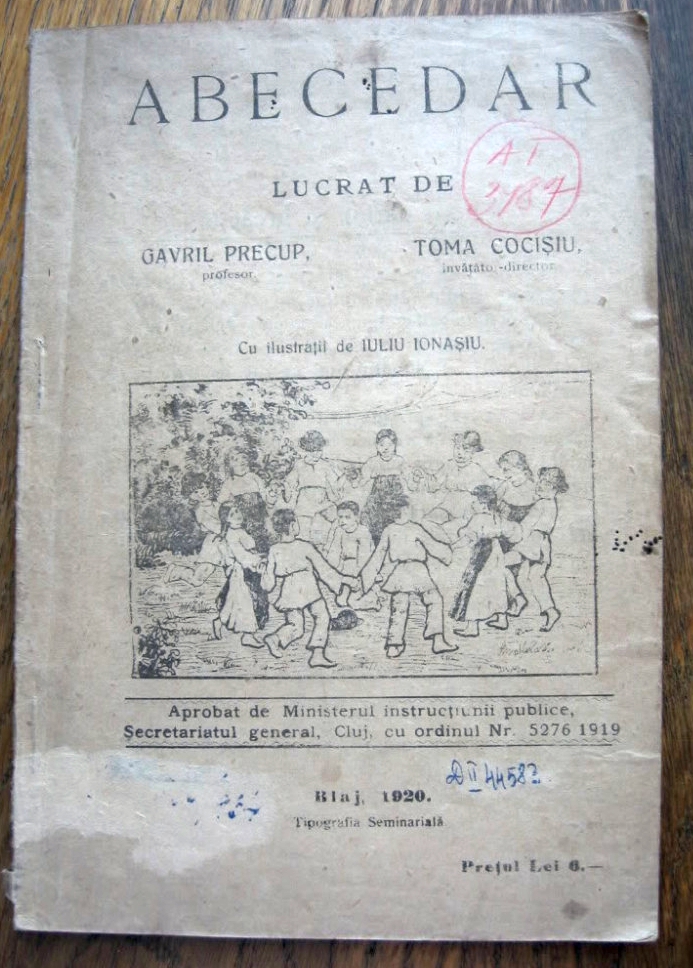
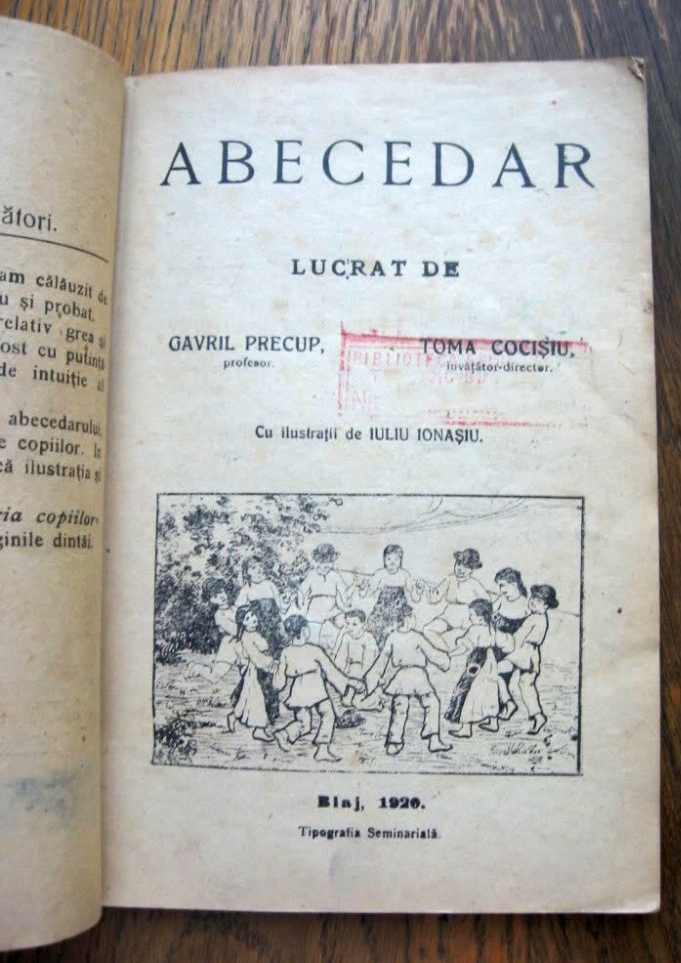
There was no virtual sphere with online resources, no TV, no CD player, no stereo, no record player, not even a gramophone. The only place where I could hear Romanian being spoken in my environment was in school in Romanian class. And that proved not to be enough. Back then all we had was a Romanian alphabet book. Homework was always a struggle. There was no translation in the book and often the illustrations were not enough to understand the correct meaning.
I would copy the sentences but there were just too many words I didn’t understand. Not to mention the grammatical gender, I was always mixing feminine, masculine, and neutral nouns. The order of words in a sentence was different than in Hungarian and my accent was off. Despite being a challenge, it was an exciting journey of discovery, and that was enough to keep me curious and determined to learn.
So, I started by turning one of my notebooks into a small dictionary with the new Romanian words. I was asking many questions from my teacher and the notebook was filling up quickly. At home, I would say out loud in Romanian the name of the objects and animals. Sometimes I even said sentences to my family members in Romanian, just to tease them. They looked at me with confused expressions and asked for a translation.
Then one day, on my way back from school I met someone who spoke Romanian quite well. I didn’t know her, but she was heading in the same direction and we started talking. Soon I found out that she was the daughter of my Romanian teacher, they recently moved to our village. She was a few years older than me and didn’t speak Hungarian very well, but we understood each other. That’s when I realized that we could help each other out. We agreed to spend some time together, so I could learn Romanian from her and she could improve her Hungarian.
She became my main source for learning the correct pronunciation. Soon my Romanian started to improve. At first, we would visit each other to study together and she helped me with some of the homework. It all became more fun when I invited her to join me in the yarn spinning group. That’s when we began translating to Romanian the stories that were being shared there by the girls while spinning yarn from wool.
The first time I visited her at home I discovered she had many wonderful books, an entire library, most of them in Romanian language. One of them was a book with tales by the Grimm brothers. I knew almost all their stories by heart, for I also had a similar book in Hungarian language. I borrowed the book from her and that changed everything. As I already knew the stories I would figure out the meaning of many words from the context. At first, I could understand some of it, and soon I understood most of it. Then more books followed. The dictionary notebook was filling up quickly and soon I was having a conversation in Romanian with my new friend.
Learning Romanian at first was a difficult process, but it was definitely worth it. It’s the main reason why it was very easy for me later on to learn French and now Spanish. But it also brought me a beautiful friendship and the chance to discover new books, new cultures, and new worlds.
Now that I think about it, even though I have access to all these online digital resources, language applications, and movies, I believe the best way to learn a new language is to become friends with a native speaker. So, I think it’s time to reach out to Clarita, my old friend, and namesake from Spain, and make learning Spanish a whole lot more fun. She sure is a great company.
Klárika