

The shadow of a war unfolding in a neighboring country, just 600 km away from my home, has gradually crept into my everyday reality. Daily, the news provides updates and grim forecasts about the war and about its potential consequences and outcome. I often travel by train in my country and on almost every trip I encounter Ukrainian refugees, mostly women, and children.
I never thought that 100 years after World War I, a conflict in Europe can possibly reach a level of such violent and extreme form as a war represents. It was my strong conviction that the two world wars with their high cost have served as a bitter enough experience for Europe never to even have to consider the possibility of it.
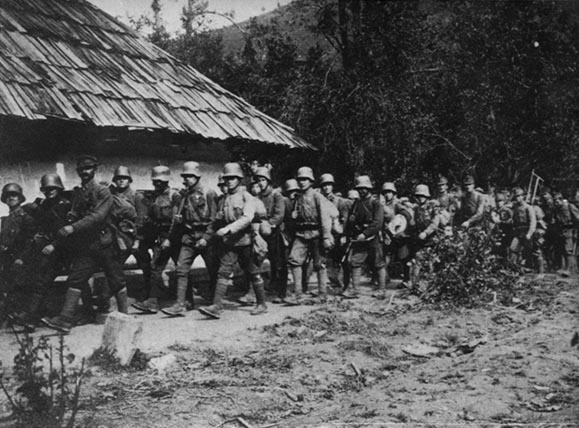
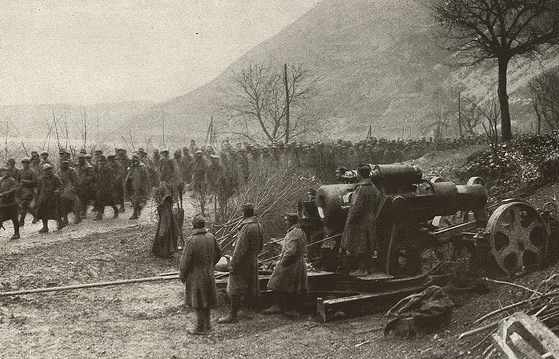
Hearing the war updates in the news always takes me back to how I experienced World War I as a little girl and all the hardships that followed long after the war ended. Though I wasn’t as intensely impacted as most people, in the 1920s East Central Europe was plagued by epidemic diseases, undernourishment, violence, disorder, massive local unemployment as well as an acute housing and transportation crisis. Living in a tiny village in a remote rural area had many advantages, but the social and economic impact of the war was greatly felt by all of us eventually. The war and particularly occupation deepened rifts between ethnic groups. Although we faced the same difficulties, we did not develop a shared feeling of solidarity.
The end of the 20s and the early 30s seemed to turn into a promise for growth and innovation. Yet, when the memory of the war just started to fade, that’s when we suddenly found ourselves in World War II. It was the greatest and deadliest war in human history, with over 57 million lives lost. It resulted in the division of Europe. Huge armies stared at each other through an Iron Curtain that ran through the heart of Europe. Millions were homeless, the European economy had collapsed, and much of the European industrial infrastructure had been destroyed. By the end of the Second World War, I was 35 years old and lived most of my life under what seemed to be an endless shadow of war filled with feelings of fear and uncertainty.
The First World War was a calamity for Europe. The Second World War was an even bigger one. But without both World Wars, there would be no European Union today. One of the strongest motivations for the birth of the EU was ‘never again’ should there be war in Europe or at least not between the members of the EU.

The founding fathers took the highly symbolic coal and steel industries as the starting point for a new community method of government. If France and Germany shared responsibility for the industries that were at the heart of the armaments industry then there really could be no further war between these two rivals. This logic continued with the birth of the European Community in 1957. The desire to develop a new system of governance and avoid war as an instrument of policy was at the very heart of the discussions leading up to the Treaty of Rome.
The EU was viewed then and continues to be viewed as a peace project. I believed and still believe in that project. The EU has become a ‘security community’ in which the members eschew war or the threat of war in their inter-state relations. By building up a community covering most aspects of economic life, from trade to a common currency, the EU has achieved a unique model of regional integration.
Yet, the impact of the two world wars is still felt in Europe today. Perhaps the biggest change is that there is little or no intention of using force to achieve political goals. The numbers in Europe’s armed forces have been dramatically reduced since, and despite Russian incursions into Ukraine there is little or no desire to increase numbers.
The shadow of war lifted from my life at about the same time that the European Union was founded. That marked the end of an era for me and probably for many others from my generation. Now, knowing there is a war unfolding so close to my home, it brings back those dreaded feelings of uncertainty and heaviness. It took me completely by surprise as if 70 years of peace had vanished into vain. Yet, I believe and trust that the peace project called the EU which has maintained good relations in Europe for so many years will once again clear the shadow of war.
Klárika

 CYBERNOVELS L'20S